Hosana! Palm Sunday's Triumphal Entry & Its Profound Call to Recognize Jesus as Son of God
Palm Sunday stands as a pivotal moment in the Christian calendar, ushering in Holy Week and setting the stage for the solemn remembrance of Jesus' passion, death, and resurrection. For those pondering,
Qual O Significado Do Domingo De Ramos (What is the meaning of Palm Sunday?), it is far more than a historical commemoration; it is a vibrant call to renewed faith, deep reflection, and an emphatic recognition of Jesus Christ as the Son of God, our Savior. This day, marked by jubilant shouts of "Hosanna!" and waving palm branches, celebrates Jesus' triumphant entry into Jerusalem – an event that, paradoxically, foreshadows both His kingship and His impending sacrifice.
The Triumphal Entry: A King of Humility and Peace
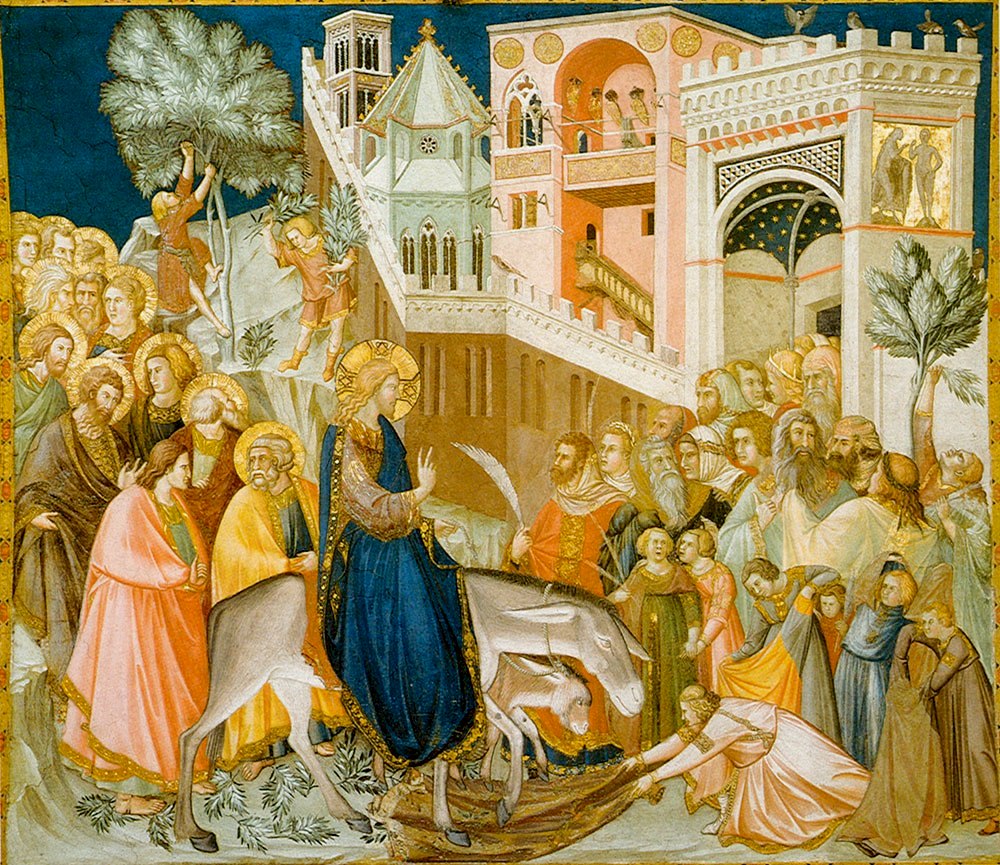
The narrative of Palm Sunday begins with Jesus approaching Jerusalem, the very city where He would soon face His martyrdom. Yet, His arrival was not one of sorrow, but of celebration. As recounted in the Gospels, crowds gathered, spreading their cloaks and branches on the road, echoing ancient traditions of honoring royalty. Their shouts of "Hosanna to the Son of David! Blessed is He who comes in the name of the Lord!" resonated through the streets, proclaiming Jesus as the long-awaited Messiah.
"Hosanna to the Son of David": The People's Acclamation
The cry of "Hosanna!" holds immense significance. Originally an Aramaic plea meaning "save, please!" or "save now!", it transformed into an exclamation of praise and adoration, reserved for God and His Messiah. To shout "Hosanna to the Son of David" was a direct acknowledgment of Jesus' lineage and His claim as the prophesied King, the descendant of King David who would restore Israel. This was a moment of fervent belief and profound hope, where the people, perhaps fueled by political expectations, nonetheless instinctively recognized a unique authority and presence in Jesus. For a deeper dive into this initial celebration, you might find valuable insights in
Palm Sunday Explained: Understanding Its Profound Meaning and Christian Significance.
The Significance of the Donkey: Humility vs. Earthly Power
A crucial detail of Jesus' entry is His choice of transport: He rode not a majestic warhorse, but a humble donkey. This act was deeply symbolic, fulfilling ancient prophecies (Zechariah 9:9) that spoke of the Messiah coming in humility, not worldly power. While earthly kings rode horses as symbols of military might and conquest, Jesus rode a donkey, signaling His reign as one of peace, service, and spiritual authority. It underscored His message that His kingdom was not of this world, challenging the prevailing notions of what a "king" or "savior" should be. This act of humility is a powerful lesson for us, reminding us that true leadership in Christ is characterized by service, not dominance.
Unpacking the Symbolism of Palm and Olive Branches
The branches themselves are central to the visual and spiritual experience of Palm Sunday. While often generically referred to as "palms," Christian communities traditionally incorporate both palm and olive branches, each carrying layers of meaning that enrich the celebration.
More Than Just Decoration: Recognition and Veneration
The act of waving branches by the crowds was a direct gesture of veneration, an ancient way of honoring a dignitary or a king. For Christians today, carrying these branches into churches worldwide continues this tradition. They symbolize:
- Recognition of Jesus as the Messiah: Just as the people of Jerusalem hailed Jesus, we too, with our branches, acknowledge Him as our Lord and Savior.
- Victory and Triumph: In many ancient cultures, palms were symbols of victory, triumph, and eternal life. By waving them, the crowds celebrated Jesus' spiritual triumph over sin and death, even as He journeyed towards His physical passion.
- Peace and Reconciliation: Olive branches, historically associated with peace (think of the dove returning to Noah's Ark with an olive branch), emphasize Jesus' message of reconciliation and His role as the Prince of Peace.
These branches are not mere props; they are active participants in the liturgy, allowing the faithful to physically engage in the reenactment and express their devotion.
Our Own Divine Filiation: A Mirror of God's Love
Beyond recognizing Jesus, the blessed branches also serve as a profound reminder of our own identity. Redemptorist missionary Padre Rodrigo Arnoso, among other theologians, emphasizes that these symbols prompt us to reflect on our "divine filiation" – the truth that we are all children of God. As members of the Church, we are called to embody the teachings of Christ, to live in a way that reflects our spiritual heritage. The branches encourage us to embrace this identity, to live with the dignity and purpose bestowed upon us by God, and to commit ourselves to following Christ's path of love, service, and sacrifice.
From Celebration to Protection: The Enduring Role of the Blessed Branches
After the Palm Sunday liturgy, the branches often take on a new life outside the church walls, transitioning from symbols of public acclamation to personal protection and devotion within the home.
Traditional Practices and Beliefs
Throughout history, and still today in many cultures, the blessed branches are cherished objects. Many families bring them home, placing them behind crucifixes, above doorways, or in other prominent spots as a sign of protection and a constant reminder of faith. Historically, their significance extended to practical applications rooted in belief:
- Protection from Adversity: In times of agricultural uncertainty, such as poor harvests, or during severe weather like storms, it was common for families to burn portions of the blessed branches. This act was believed to invoke divine protection and ward off misfortune.
- Safeguarding the Home: Some traditions involved scattering small pieces of the branches around homes or property to protect against pests, disease, or other harm.
- A Continuous Cycle of Faith: Perhaps one of the most enduring traditions is the practice of preserving these branches until the following year. They are then often returned to the church to be burned, their ashes used to mark the foreheads of the faithful on Ash Wednesday, thus completing a cycle of spiritual remembrance that bridges one Lent to the next.
These customs highlight how deeply interwoven faith and daily life were, and remain, in many Christian communities. For more on the journey of these sacred items, consider reading
The Sacred Journey of Palm Sunday Branches: From Triumphal Entry to Protection.
Modern Interpretations and Personal Significance
While some historical practices might seem quaint today, the underlying principle of seeking divine protection and making faith visible in the home remains relevant. For many, the blessed branches serve as a tangible link to their spiritual journey, a physical token of their commitment. They are a reminder of:
- Hope in Difficult Times: In an increasingly complex world, having a symbol of faith and protection can bring comfort and reassurance.
- A Call to Prayer: Their presence can encourage daily prayer and reflection on the meaning of Holy Week.
- Intergenerational Faith: Handing down traditions associated with the branches from one generation to the next reinforces family faith and cultural heritage.
Palm Sunday's Enduring Call: Recognizing Jesus as Lord
Ultimately, Palm Sunday's enduring power lies in its call to recognize Jesus as the Son of God, the Messiah who brings salvation. The "Hosanna!" shouted by the crowds was an expression of deep truth, even if their understanding of Jesus' kingship was still evolving.
A Call to Deeper Faith and Commitment
This day invites us to move beyond superficial recognition and engage in a deeper, more personal commitment to Christ. It challenges us to ask: do we truly recognize Jesus as the source of our salvation? Do we welcome Him into our lives, not just with celebratory shouts, but with sincere hearts willing to follow His teachings, even when the path leads to sacrifice? Padre Arnoso's emphasis that "He is blessed, because in Him we find our salvation" underscores this core message. It's an opportunity for introspection, to reflect on our own "Hosanna" – our own affirmation of faith.
Preparing for the Passion: The Start of Holy Week
Palm Sunday is not just a joyous celebration; it is also a somber beginning. It marks the initiation of Holy Week, guiding us through the events leading to Jesus' passion, crucifixion, and ultimately, His resurrection on Easter Sunday. The triumphal entry quickly gives way to the shadow of the cross, serving as a powerful reminder of the profound love and sacrifice that underpins Christian faith. It's a journey from acclamation to abandonment, from glory to agony, ultimately leading to eternal triumph.
Conclusion
Palm Sunday, or Domingo de Ramos, is a rich tapestry of historical remembrance, profound symbolism, and an urgent call to faith. From the jubilant "Hosanna!" of the crowds in Jerusalem to the quiet presence of blessed branches in our homes, this day compels us to recognize Jesus as the Son of God, the King of humility, peace, and salvation. It is a day to celebrate His triumphal entry, to reflect on our own divine filiation, and to embark with renewed purpose on the sacred journey of Holy Week, ever mindful that in Christ, we find our redemption and everlasting hope.