Palm Sunday Explained: Understanding Its Profound Meaning and Christian Significance
Palm Sunday, known in Portuguese as "Domingo de Ramos," is far more than just a date on the Christian calendar; it's a pivotal moment marking the solemn commencement of Holy Week, the most sacred period for Christians worldwide. For those seeking to understand the deep spiritual resonance of this day – **Qual O Significado Do Domingo De Ramos** – it represents a complex tapestry of celebration, humility, prophecy, and foreshadowing, setting the stage for the Passion, death, and resurrection of Jesus Christ.
Celebrated by millions globally, Palm Sunday commemorates Jesus' triumphant entry into Jerusalem, an event that, while joyous, carries profound implications for His ultimate sacrifice. It's a day when ancient traditions meet contemporary faith, encouraging believers to reflect on Jesus' identity, their own commitment, and the journey of salvation.
The Triumphal Entry: A Pivotal Moment
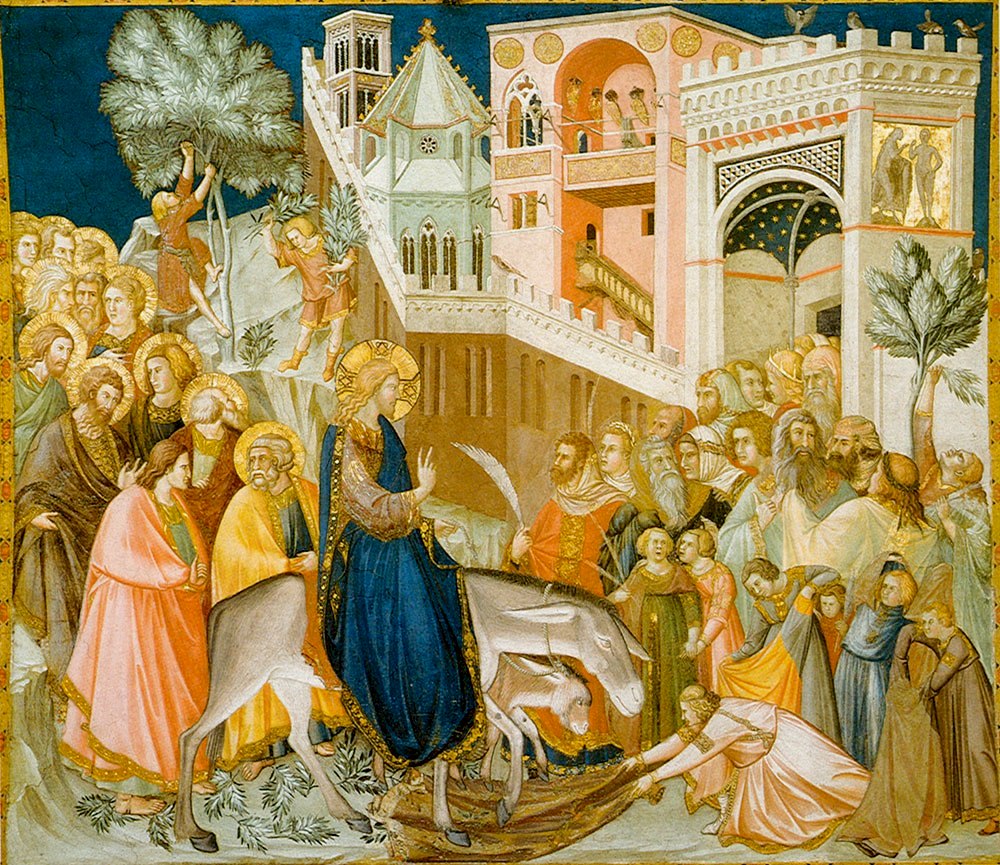
The heart of Palm Sunday lies in the biblical account of Jesus' entrance into Jerusalem, just days before His crucifixion. As recounted in the Gospels, Jesus rode not on a warhorse befitting a conquering king, but humbly on a young donkey, fulfilling the prophecy of Zechariah 9:9: "Rejoice greatly, O daughter of Zion! Shout aloud, O daughter of Jerusalem! Behold, your king is coming to you; righteous and having salvation is he, humble and mounted on a donkey, on a colt, the foal of a donkey."
The crowds gathered, recognizing Him as the Messiah, the Son of David. They hailed Him with shouts of praise, laying their cloaks and strewing palm and olive branches on His path. This was an act of profound veneration, traditionally reserved for royalty or conquering heroes returning from battle. Yet, Jesus' "triumph" was not of earthly conquest but of spiritual victory. He entered Jerusalem not to establish a political kingdom, but to confront His destiny: martyrdom in the very city that acclaimed Him, ultimately leading to the salvation of all humanity. This humble arrival underscored His message of peace and selfless love, contrasting sharply with the worldly expectations of a powerful, political leader.
The Profound Symbolism of the Palms and Olive Branches
Central to the Palm Sunday celebration is the symbolic use of branches, typically palms or olive branches. For participants, carrying these branches during liturgical processions is a powerful act of faith and remembrance. These branches signify not only the crowd's recognition of Jesus as the Son of God but also carry deeper, multilayered meanings for believers today.
Firstly, they symbolize **victory and peace**. In ancient times, palms were emblems of triumph and everlasting life. By waving them, the people acknowledged Jesus as a victor, though the true nature of His victory—over sin and death—would only be revealed through His Passion.
Secondly, the branches serve as a reminder of our **divine filiation** and our place within the Church. Padre Rodrigo Arnoso, a Redemptorist missionary, explains that they remind us that "we are all children of God and parts of the Church," thereby emphasizing our commitment to follow Christ's teachings. They are a tangible sign of our connection to this sacred event and our ongoing spiritual journey.
Beyond the immediate celebration, these blessed branches traditionally find a revered place in Christian homes, serving as a sign of **protection**. Historically, in many family traditions, they were believed to ward off troubles during harvest seasons or fierce storms, sometimes even being burned to avert misfortune. Others would scatter them around their homes, trusting in their power to protect against pests or dangerous animals. This practice highlights a deep-seated desire to bring the sacredness of the church ceremony into daily life, invoking divine protection. To delve deeper into this aspect, consider reading
The Sacred Journey of Palm Sunday Branches: From Triumphal Entry to Protection.
"Hosanna!" - A Cry of Recognition and Praise
The air during Palm Sunday services is often filled with enthusiastic shouts of "Hosanna!" and "Blessed is he who comes in the name of the Lord!" These are not mere chants; they are profound expressions of praise and a direct recognition of Jesus' divine identity.
"Hosanna," an Aramaic word, originally meant "save, we pray" or "save now." Over time, it evolved into an acclamation of adoration and praise, much like "Hallelujah." When the crowds cried "Hosanna to the Son of David!" they were acknowledging Jesus as the promised Messiah, the heir to King David's throne, who would bring salvation. Padre Arnoso stresses the importance of singing these words with great enthusiasm on Palm Sunday, reminding us that "He is blessed, because in Him we find our salvation."
This collective acclamation is a powerful invitation for modern believers to actively participate in the liturgy, recognizing Jesus as their personal Savior and the source of all hope. It’s a moment to reaffirm faith and embrace the joy of His presence, even as the shadow of His impending sacrifice looms. For a more detailed exploration of this ancient acclamation, refer to
Hosana! Palm Sunday's Triumphal Entry & Its Call to Recognize Jesus as Son of God.
Beyond the Ceremony: Palm Sunday's Enduring Legacy and Personal Reflection
Palm Sunday is not just a historical reenactment; it is a profound call to contemporary discipleship. Its enduring legacy invites us to:
*
Embrace Humility: Jesus' entry on a donkey teaches us that true power lies not in worldly might but in selfless service and humility. How can we cultivate humility in our own lives?
*
Recognize Jesus in Our Lives: Just as the crowds recognized Jesus, we are called to acknowledge His presence and authority in our daily decisions, challenges, and joys.
*
Commit to His Teachings: The waving of branches symbolizes our commitment to follow Christ. What does it mean to "follow Christ" in today's world? It calls for acts of love, justice, compassion, and forgiveness.
*
Prepare for the Spiritual Journey: Palm Sunday serves as a stark reminder that even amidst celebration, life's journey often includes suffering and sacrifice, leading ultimately to resurrection and hope. It encourages us to enter Holy Week with a spirit of reflection and prayer.
The dual nature of Palm Sunday—joyful acclamation and solemn foreshadowing—challenges us to hold both hope and solemnity in our hearts. It's a day to remember that while the crowd's praise would soon turn to cries for crucifixion, Jesus' mission of love and salvation remained unwavering.
The Journey of the Branches: From Celebration to Ash Wednesday
The journey of the blessed branches doesn't end when the Palm Sunday service concludes. After being taken home as a symbol of protection and faith, these sacred items undertake another significant transformation within the liturgical year.
Many Catholic communities encourage parishioners to return their dried palms before Lent begins the following year. These branches are then gathered, dried completely, and reverently burned. The ashes produced from these consecrated palms are precisely what is used on Ash Wednesday, marking the beginning of the Lenten season. This practice creates a powerful spiritual cycle: the symbols of triumph from one Holy Week become the ashes of repentance for the next Lent.
This cyclical tradition beautifully connects the joyful beginning of Holy Week with the penitential start of Lent, emphasizing the continuous journey of faith, repentance, and renewal that is central to the Christian life. It reminds us that from moments of celebration to periods of reflection and penance, God's grace and presence are constant.
Conclusion
Palm Sunday, or "Domingo de Ramos," is a deeply significant celebration that serves as the gateway to Holy Week. It commemorates Jesus' humble yet triumphant entry into Jerusalem, a moment teeming with prophecy, public acclamation, and the poignant foreshadowing of His Passion. Through the waving of branches, the fervent cries of "Hosanna," and the subsequent journey of these sacred palms to Ash Wednesday, believers are invited to recognize Jesus as the Son of God, reflect on their own divine filiation, and renew their commitment to His teachings. It is a day that blends joy and solemnity, hope and sacrifice, urging us to embrace the full spectrum of the Christian journey towards salvation.